From Presence to Power: IFC 2026, wrapped
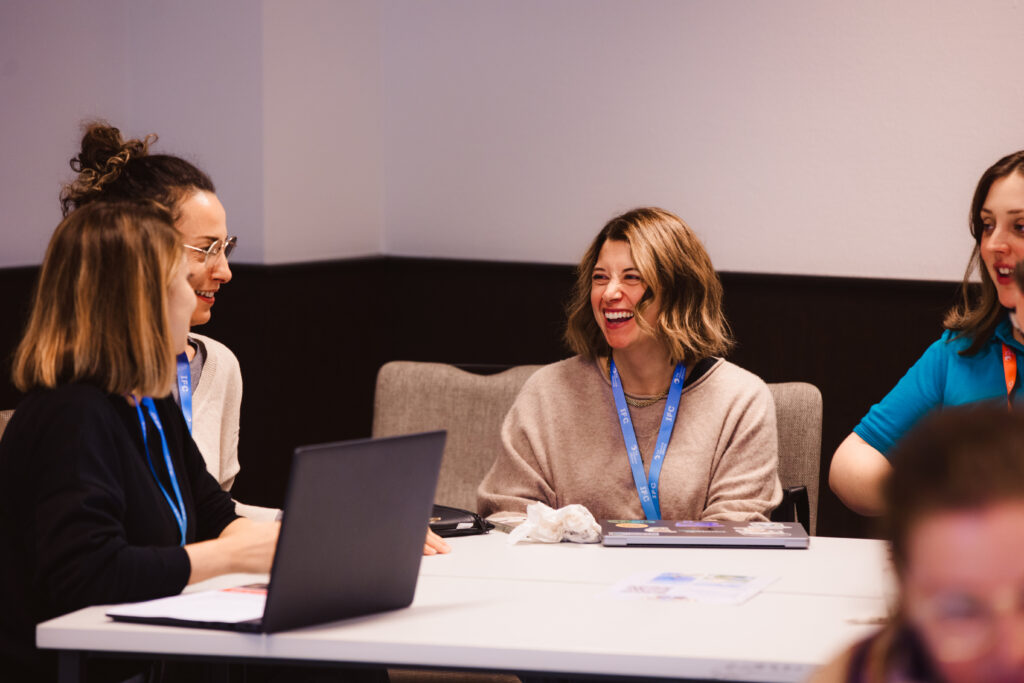
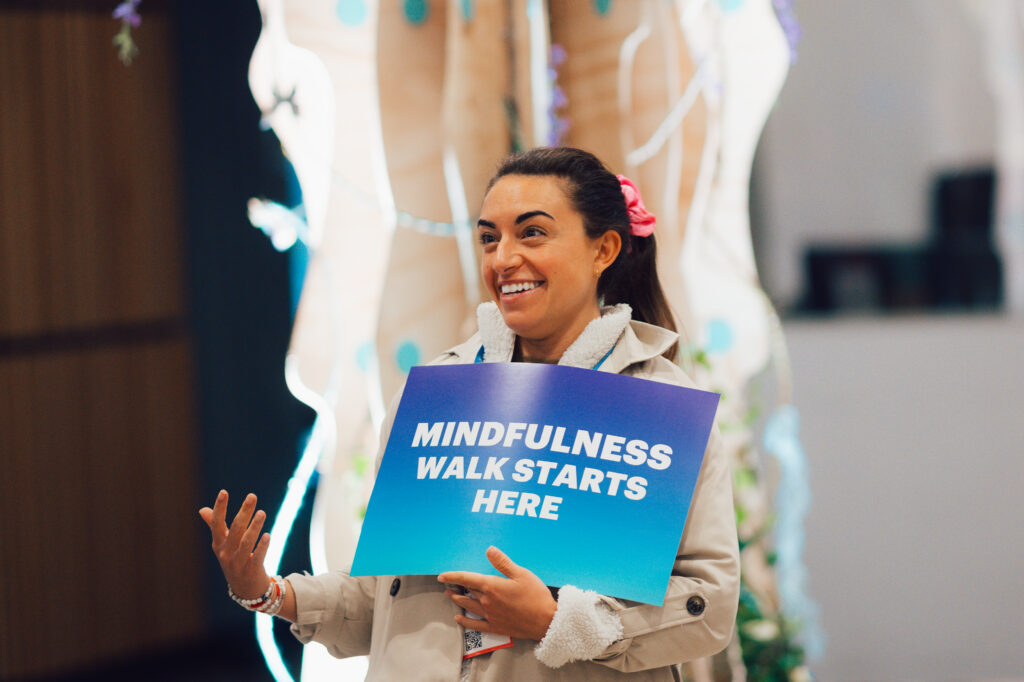
Three days in Noordwijk and online. 2,833 people from 126 countries. Resource Alliance CEO Willeke van Rijn on what we heard, what you can use straight away, and who we’re following home.
In 1981, 38 people met for the first International Fundraising Workshop, the gathering that became the International Fundraising Congress. Forty-five years later, in the same conference centre, there were 2,833 of us.
Why We Said “Enough.”
This community came to Noordwijk with one word in common: enough. Enough of civil society being attacked. Enough of a few billionaires and tech companies deciding what we read, see, and hear. Enough of wars that barely make the news. Who’s talking about Myanmar right now?
The pressure is real. Official development aid fell by 23% in 2025, the biggest drop the OECD has ever recorded. More than 60 countries now have laws limiting or blocking international funding for civil society.
So why did we choose the them Unstoppable? Because of who was in the room. Fundraisers, campaigners, and changemakers who lose one income stream and go and find another. And giving isn’t one region’s story. The ten most generous countries in the latest CAF World Giving Report, measured by the share of income people give, are all in Africa and Asia. It’s about time that got recognised.
For me, being unstoppable means courage over fear. As I said from the stage:
“Let IFC be a place where courage can spread and where we can create a collective courage.”
Agency is What Makes Unstoppable Visible
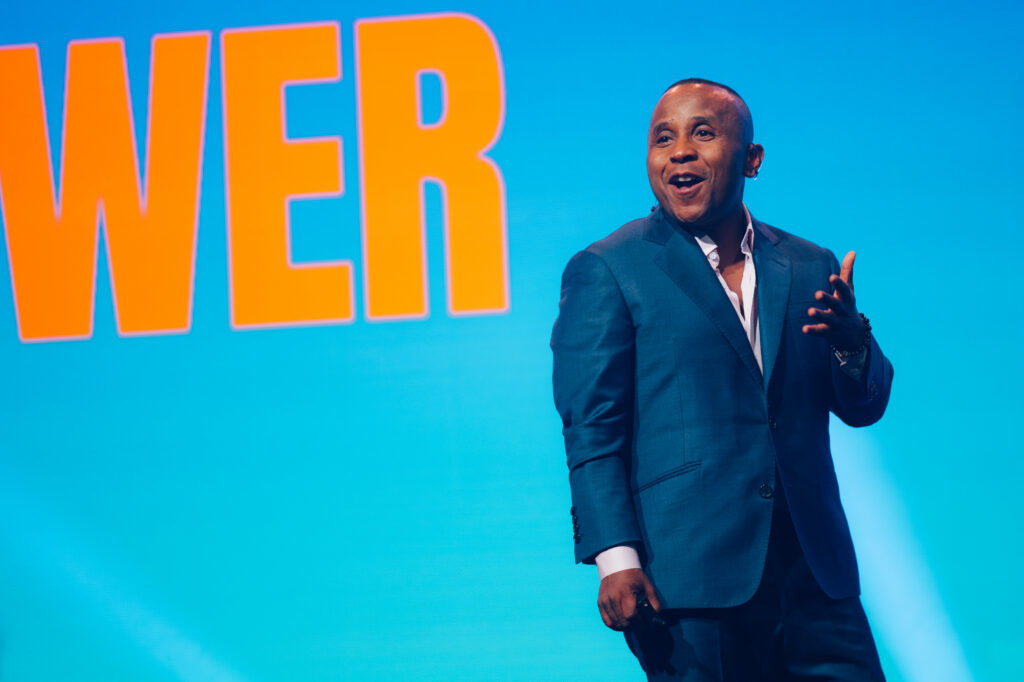
Our opening keynote speaker, Nyasha Gwatidzo, didn’t give us a list of awards. She gave us the moments when things went wrong and she had to choose what to do next. She went from carrying babies on her back in rural Zimbabwe at four years of age, to achieving a chemistry PhD, moving into social work, and since then has built one organisation after another, first for children in care and now for women entrepreneurs in sub-Saharan Africa.
One story held the whole room. A 12-year-old Rwandan boy in her care, a former child soldier, told her he liked growing things. So, every Tuesday, instead of a therapy session, she took him to her allotment. They barely spoke. Week by week, he got calmer.
“Sometimes the therapeutic doorway is in a conversation. Sometimes it’s in the soil.”
Her invitation to all of us was one word: listen. Stop treating the communities we work with as recipients of help, when they’re employers, innovators, and decision-makers in their own right.
We Optimise for Engagement. They Strategise for Influence.
If one conversation ran through the whole week, it was this: How does civil society win attention, trust, and power when the radical right is so good at all three?
On one Big Topic panel, Zuzana Suchová of Donio spoke from Slovakia: “You fear this future. In Slovakia, we live it now.” Daniel Gamboa of Amnesty Argentina questioned why we keep using the word “resist” when it can make us sound like we’re losing. “We have so much power,” he said. “It’s those in government who should be resisting us!” Paul de Gregorio of Rally named the gap. We count reach, clicks, and donations while they build trust, belonging, and participation.
Ali Walker Davies of Forward Action and Cristina Praz of Centrul FILIA gave us a test for every message that deserves a spot above your desk: “What is the simplest way of saying this, so someone will repeat it?”
Gabriella Zutrau ran digital for Zohran Mamdani’s New York mayoral campaign. She showed us how a candidate polling under 1% won with more than half the vote, with messages simple enough to repeat, audiences built long before the ask, and supporters moved off social platforms into email and groups the campaign owned. She was clear it works for fundraising, too.
Tell the Truth – Especially to Funders
On the last night, a delegate told me something powerful they wanted to say to their funders. Then they hesitated. Am I really allowed to say this?
Yes. You are. Glen Galaich and Sharon Afandi, two of the funders in the room, made the case all week for honest, open conversations about what the world needs, not what we think funders want to hear. This year’s Resource Alliance Leadership Programme cohort is already acting on it, with a collective push to open those conversations with foundations and trusts.
The same goes for donors. Don’t tell them everything’s fine when it isn’t. Matt Derby’s research showed donors don’t automatically walk away when you speak out on issues tied to your mission.
Presence is Not Power
Rashad Robinson led Color of Change for 13 years. He closed IFC 2026 with the argument at the heart of his new book, From Presence to Power, and he didn’t let anyone off the hook: “Changing a headline is not the same as changing a rule. And power is the ability to change the rules.”
He told us about the time the White House offered him a meeting but wouldn’t let in the formerly incarcerated leaders running the campaign under discussion. He said he’d be on the train home that afternoon. Within the hour, the rule they swore they couldn’t change was changed. The people on the other side don’t play by the old rules, he said, and neither should we.
He also changed how a lot of us will write our next appeal. It isn’t that Black people are less likely to get bank loans; it’s that banks are less likely to give loans to Black people. One framing sends you off to teach financial literacy. The other sends you off to fix the banks. That’s why funding has to cover the cost of winning, not just the cost of doing the work.
“We face backlash because we’ve made progress.” – Rashad Robinson

Ten Things I’m Taking Home
Every one of these is something you can try on Monday.
- Ask for the next gift in your thank-you. Gitte Blemings showed why it pays to ask within three days of the first gift.
- Ask early online. In the Your Digital Engine Room masterclass, one example showed 43% of donations arriving at the moment of sign-up.
- Text your emergency donors. Hank Walter and Heather Foye showed how the IRC uses SMS to turn crisis givers into monthly supporters.
- Measure the basics in major gifts. Laurel McCombs spoke on tracking outcomes, process, and quality, not just income.
- Talk about legacies. Emily Bracken, Barbara Gerold-Wolke and Inés McCormick showed legacy income has more than doubled in a decade.
- Show the barrier, not the helplessness. Tehzeeb Lalani and Madan Padaki were clear on dignity-led storytelling.
- Lead with engagement, then ask. Mide Akerewusi, Liz Alberto, and Quincy Wiele told us why Gen Z and millennials want to belong before they give.
- Win your trustees over one at a time before the full board meets. A lesson from the alternative financing masterclass with Richard Hawkes, Ruth Davidson and Leana de Beer.
- Agree how your coalition handles conflict before you need to. DEC in Ethiopia made a grievance committee one of its key committees.
- Turn your notes into actions. Richard Turner of SolarAid asks three questions after every session: what’s racing in my mind right now, what happens if I follow it through, and what do I need to do next?
The Conference Between the Sessions
Lindsay Marino Long called the International Fundraising Congress “this extraordinary little village near the North Sea.” You sit down at breakfast with a stranger and by lunch you’re planning something together. Marcus Missen put it best: “We’re remarkably generous with ideas when we’re together.” He wants us to be just as generous with power when we’re apart.
That generosity has to include ourselves. The open discussion on burnout with Mariana Zayat Chammas, Damian Chapman, and Mide Akerewusi was one of the most honest rooms of the week. You can’t be unstoppable if you’re burnt out.
And the snapshots I’ll keep: Five Brazilian women leaving early so they could vote on Sunday. A young delegate catching the train back to France to join the protests. Three women from Palestine and Jordan who found me after the opening to say thank you for finally being recognised.
What Happens Next
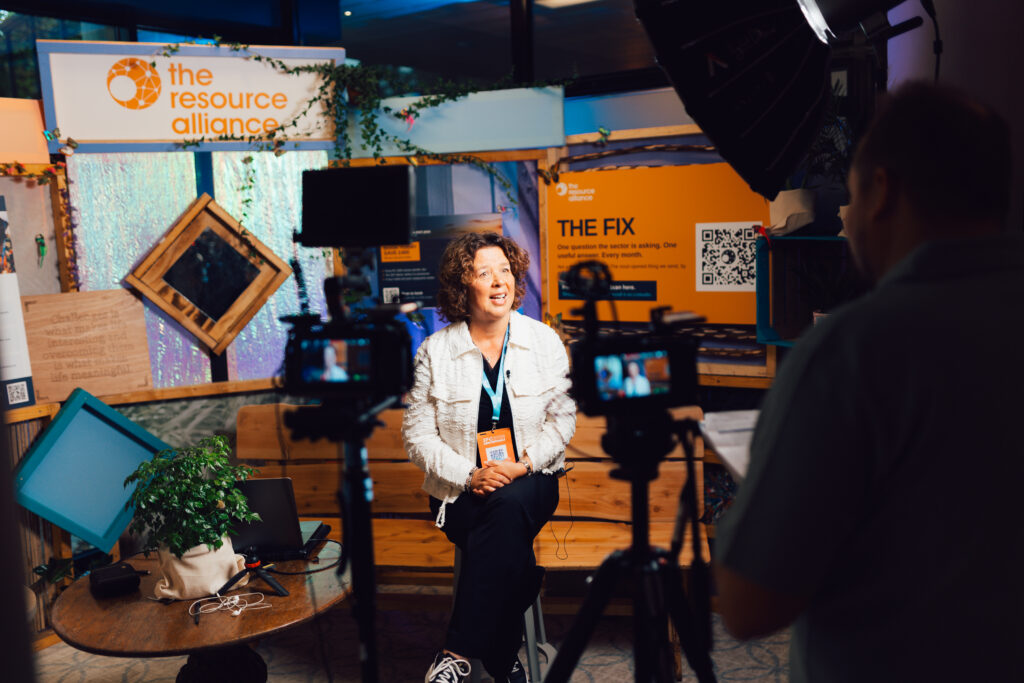
We followed a group of delegates through their whole journey at IFC 2026, and over the coming months we’ll find out what it changed in their work, their organisations, and the communities they serve. Watch this space.
Every IFC Online session, Rashad Robinson’s keynote included, will be released next week.
Thank you to our partners, who keep IFC Online free, and to our Advisory Panel, volunteers, session leaders, speakers, and every delegate. We’re a small team, and none of this works without you.
Two Ways to Keep Going
Join us at IFC 2027
19 to 22 October 2027, in Noordwijk and online. Book now and save £400 on your full-price ticket.
Keep developing with the Leadership Programme
Three days at IFC can change how you think. Twelve months can change how you lead. The Leadership Programme picks up where the International Fundraising Congress leaves off. This year’s cohort brought together more than 100 leaders from over 40 countries to work on exactly the problems you heard about in Noordwijk. You’ll meet at online summits through the year, build tools with peers in a small Action Lab, work through real challenges in a regional peer group, then come together in person at IFC 2027. Bursary places are available, and there’s no formal application process. Email James Tennet at james@resource-alliance.org. Learn more here.